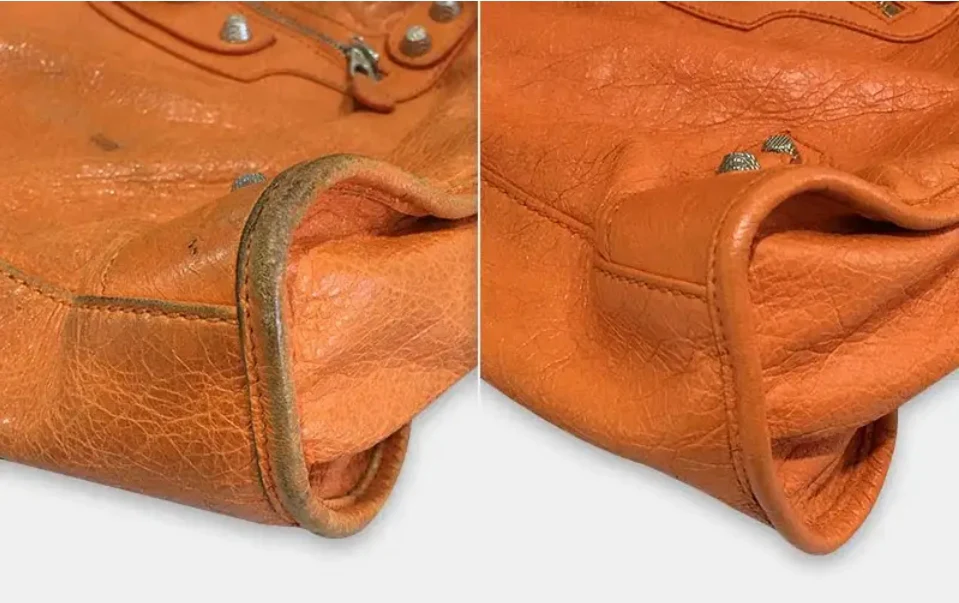
Picture this: you’ve invested in a quality leather piece — something timeless that’s seen a few adventures. But over time, you’ve noticed it starting to peel or flake. Don’t stress — this happens to the best of them. In this guide, we’ll walk you through simple, practical steps to bring your leather item back to life. With a little care and patience, you can restore it to its beautiful, durable best.
Why Leather Starts to Peel
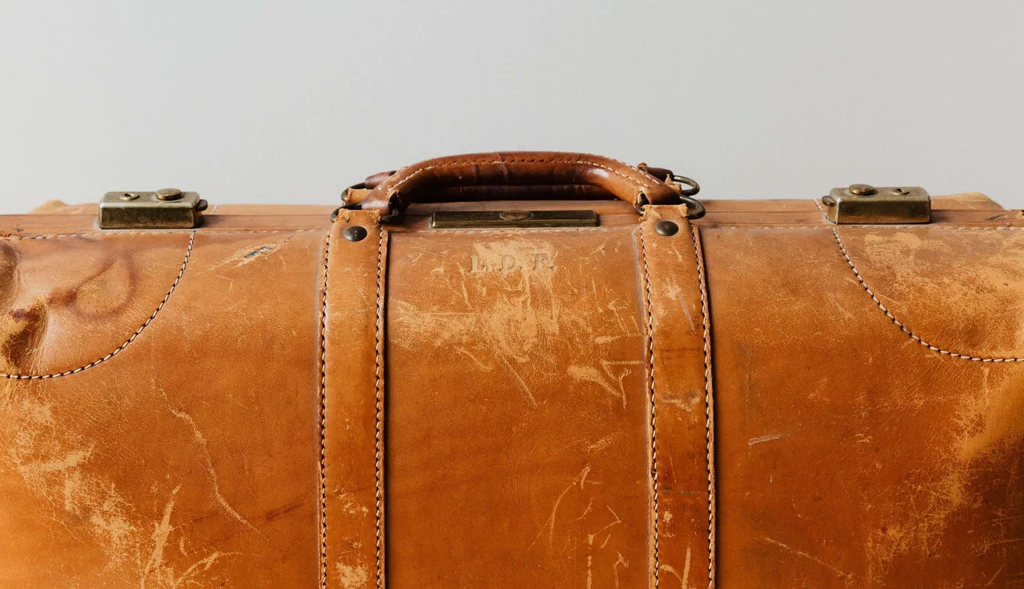
Before you start the repair, it’s worth understanding what causes peeling in the first place. Here are the most common culprits:
- Sunlight Exposure: Prolonged direct sunlight can dry out leather, causing it to fade and eventually peel.
- Moisture Damage: Water and humidity can make the surface flaky and weaken its fibres.
- Harsh Chemicals: Cleaners or solvents strip away protective coatings and natural oils.
- Regular Wear and Tear: Daily use and friction slowly wear down the top layer.
- Improper Storage: Keeping your leather in stuffy, hot, or damp spaces accelerates damage.
- Lack of Care: Skipping conditioning and cleaning means your leather dries out faster than it should.
Looking for a Leather Item That Won’t Peel?
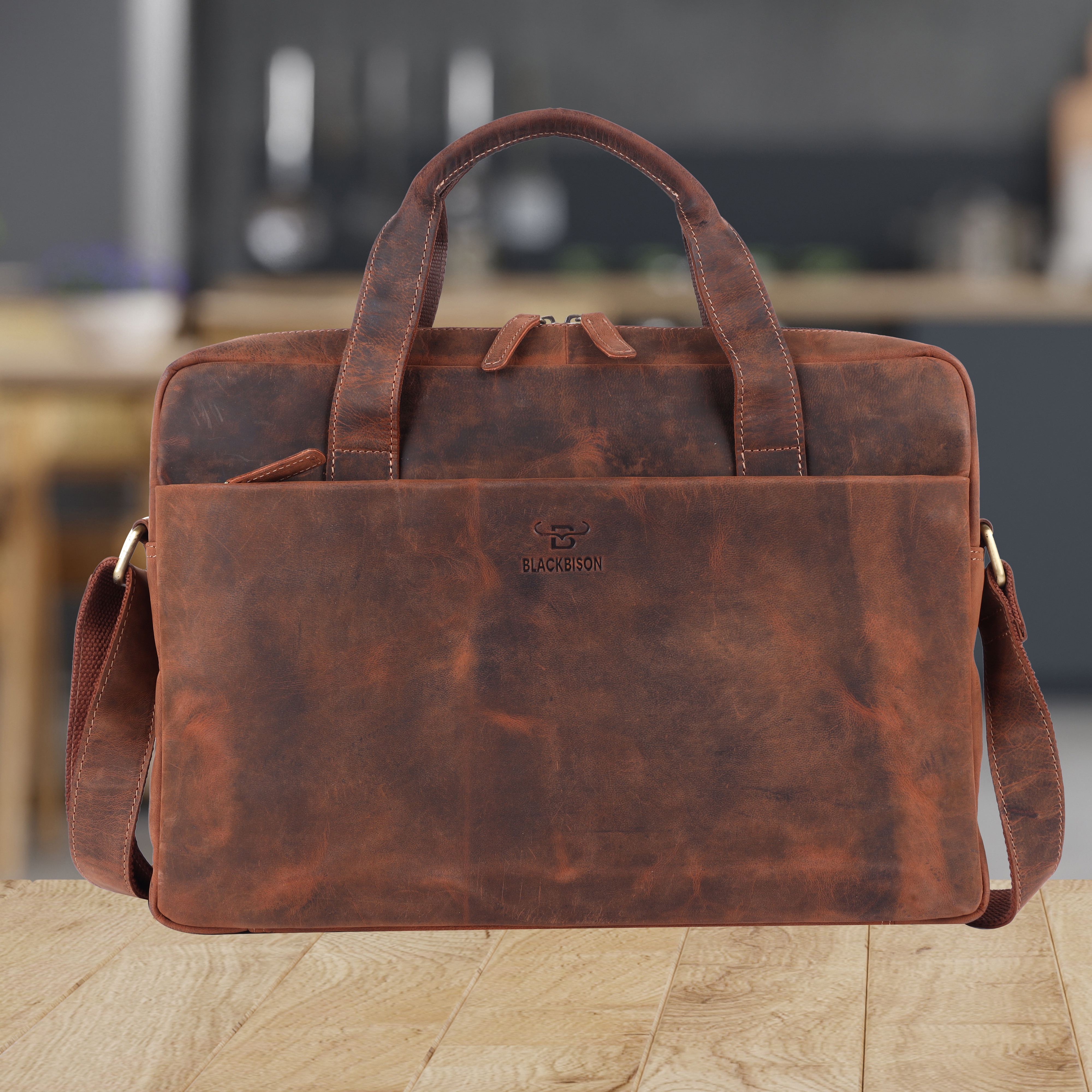
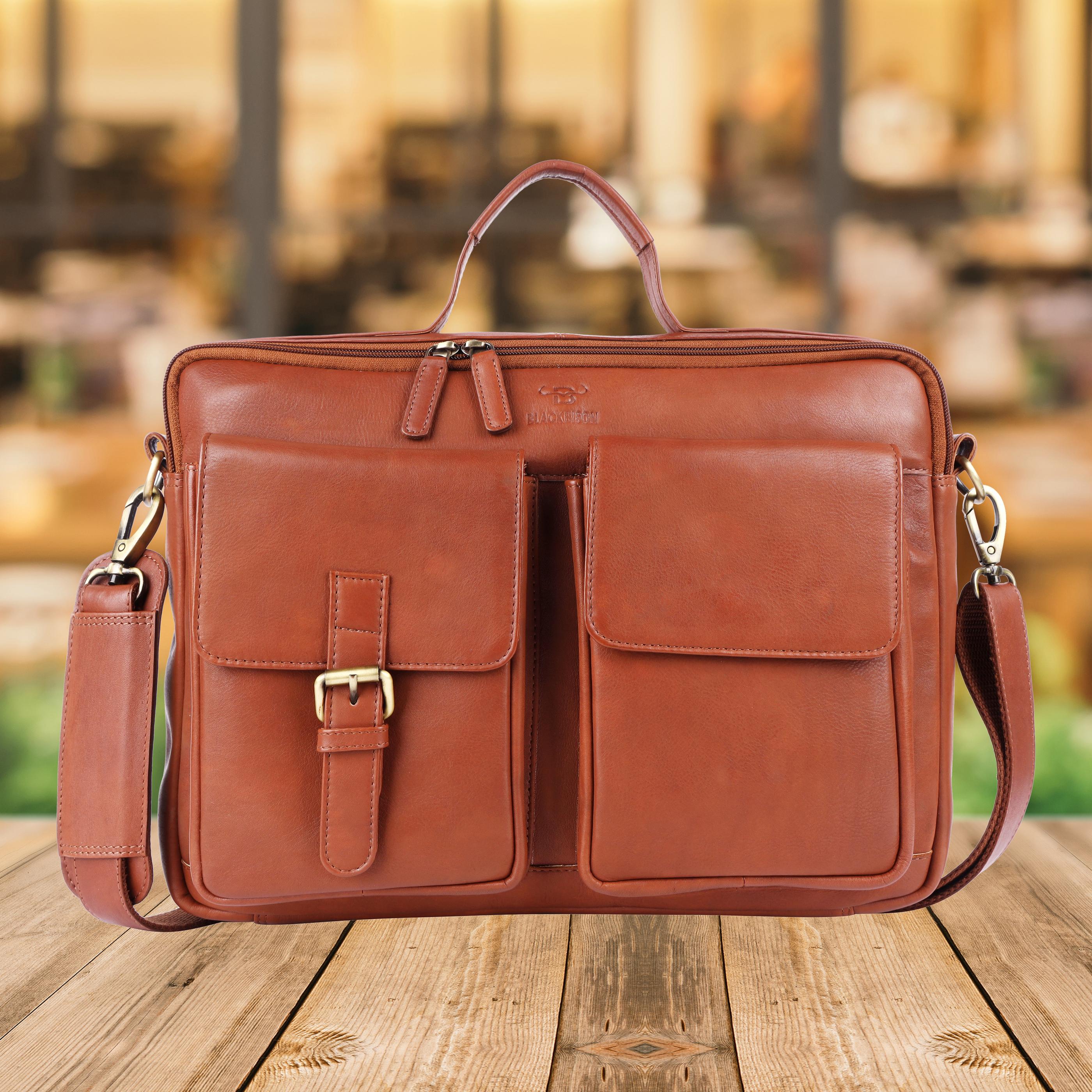
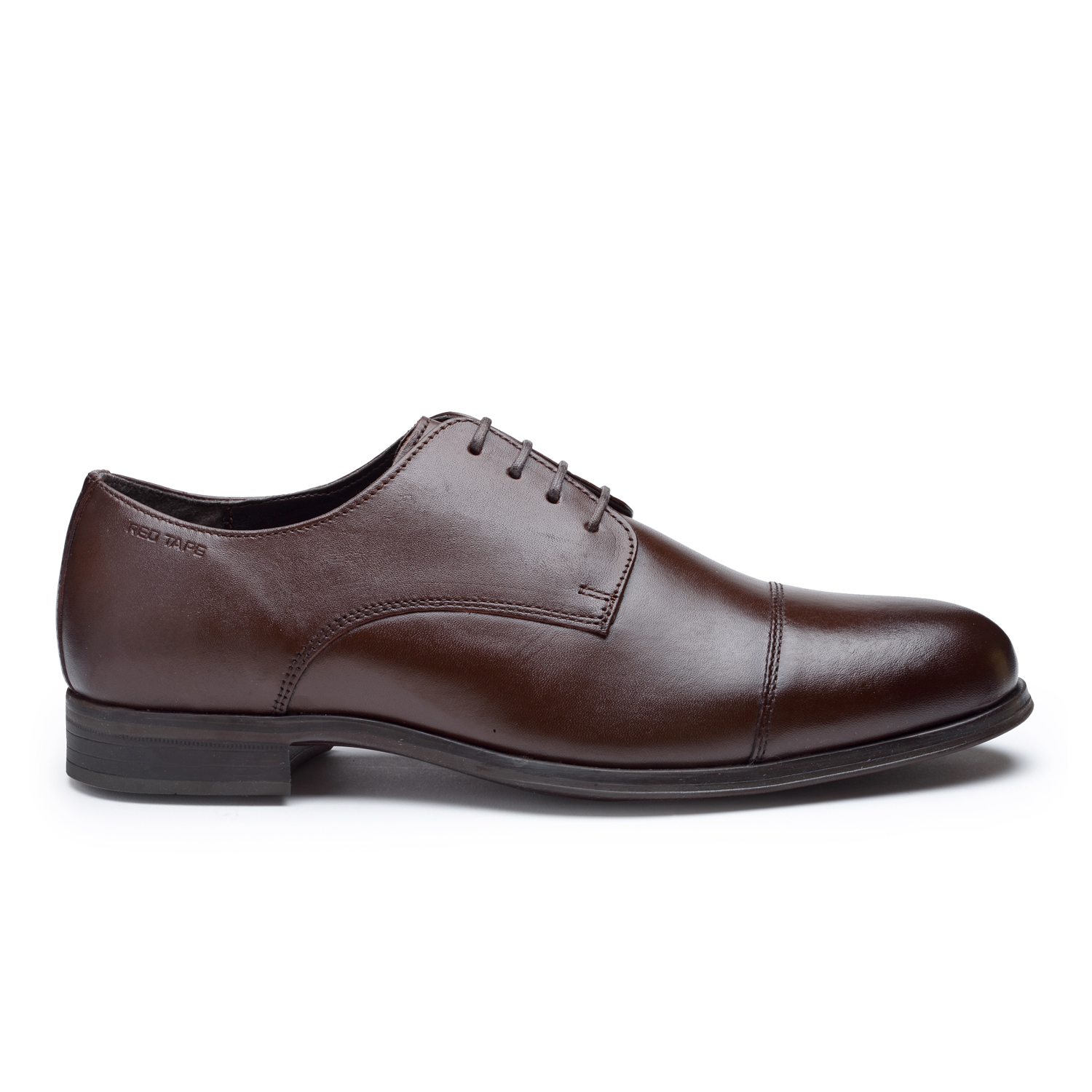
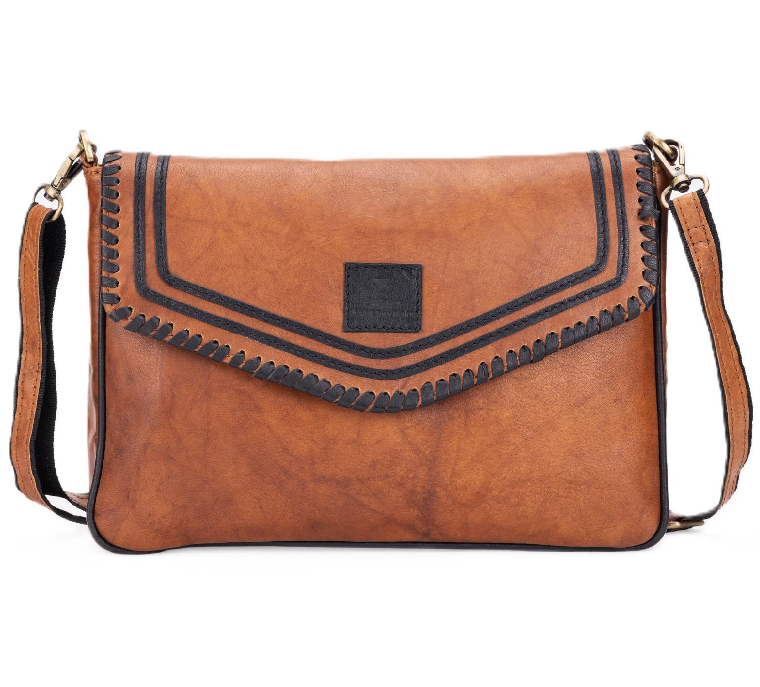
If you’re ready to upgrade to something that’s built to last, our full-grain leather pieces at LeatherKart are designed to handle Australia’s climate with ease. They’re made with high-quality materials that stay soft and strong for years — no flaking, no fuss.
Step-by-Step: How to Fix Peeling Leather
Ready to roll up your sleeves? Here’s how to repair your peeling leather item — and keep it looking great.
1. Check the Damage
Start by inspecting your piece closely. Identify where the peeling is happening — small areas can usually be repaired at home, while larger sections might need professional help. Knowing the extent helps you choose the right approach.
2. Clean and Prepare the Leather
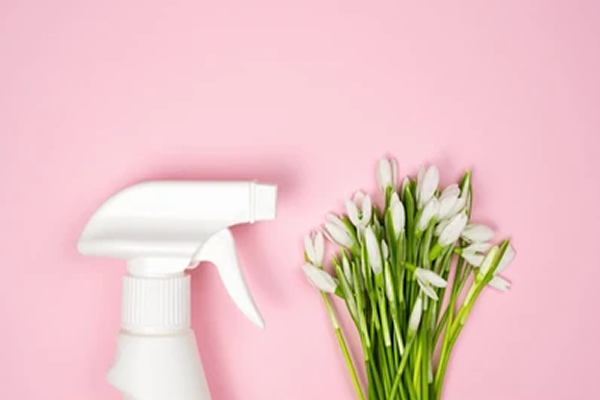
Gently wipe off dirt and dust with a soft cloth or brush. Use a leather cleaner suited to your item’s material, and let it dry completely before repairing. If you’re unsure, check out our guide on How to Care for Your Leather.
3. Repair Small Peeling Areas
Depending on how bad the damage is, you can try one of these easy fixes:
Leather Glue or Adhesive
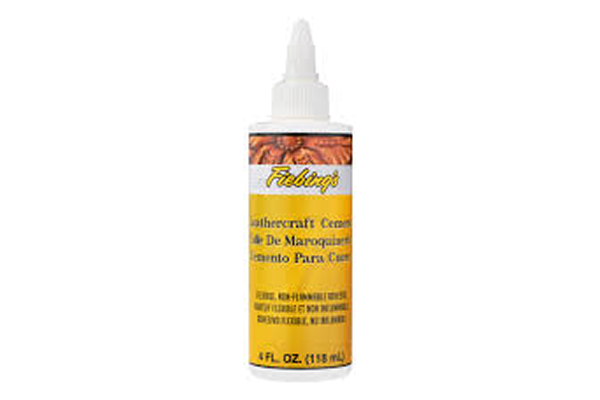
Clean the area and apply a tiny amount of leather glue. Press the edges together gently and hold until bonded. Wipe off any extra glue and let it set as directed. This works best for light peeling or small cracks.
Leather Fillers
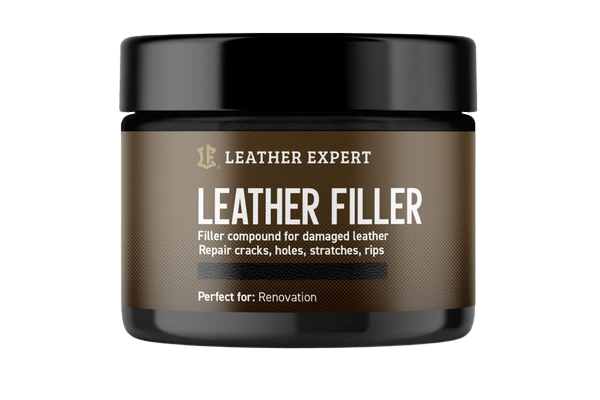
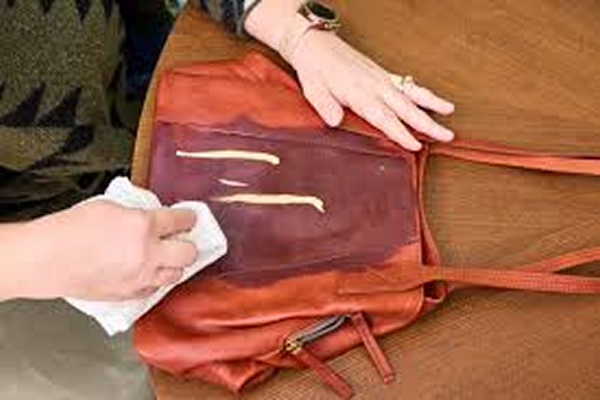
For slightly larger cracks, a filler compound works wonders. Smooth it over the damaged spots, let it dry, and gently sand for an even finish. You’ll be surprised at how seamlessly it blends in.
Leather Patches
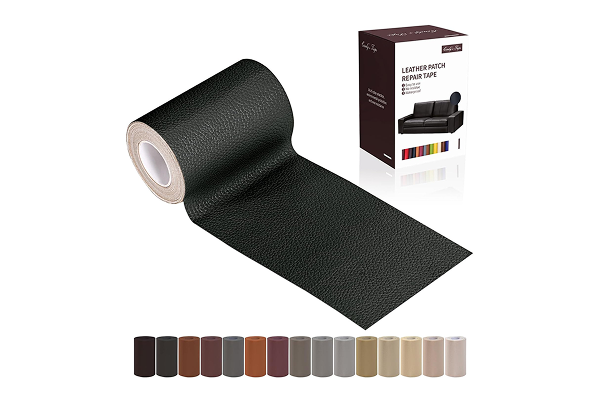
If the damage is more extensive, use a leather patch. Trim it to size, stick it down firmly, and smooth out any air bubbles. Once dry, it’ll look neat and protect the area from further peeling.
When in Doubt — Get a Pro

If your leather is badly damaged, there’s no shame in calling in an expert. Professional restorers have the right tools and products to bring your piece back to life — and it often costs less than replacing it.
Prevent Peeling Before It Starts
Prevention is the best cure when it comes to leather. Here’s how to stop peeling before it happens:
1. Keep Away from Sun and Rain

Store and wear your leather smartly. Avoid long exposure to harsh sunlight or rain — they’re the quickest ways to dry or crack it. If it does get wet, air dry it naturally in the shade.
2. Use a Leather Conditioner
Regular conditioning keeps leather soft and nourished. Look for a product suited to your leather type and follow the directions carefully. Think of it as skincare — a little care goes a long way.
3. Store It Right
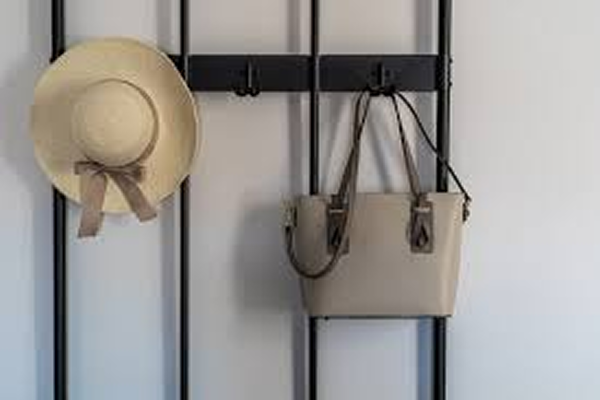
Keep your leather in a cool, dry space. Use a padded hanger, avoid plastic covers, and give it breathing room. Air circulation prevents mould and keeps it looking fresh.
4. Clean Regularly
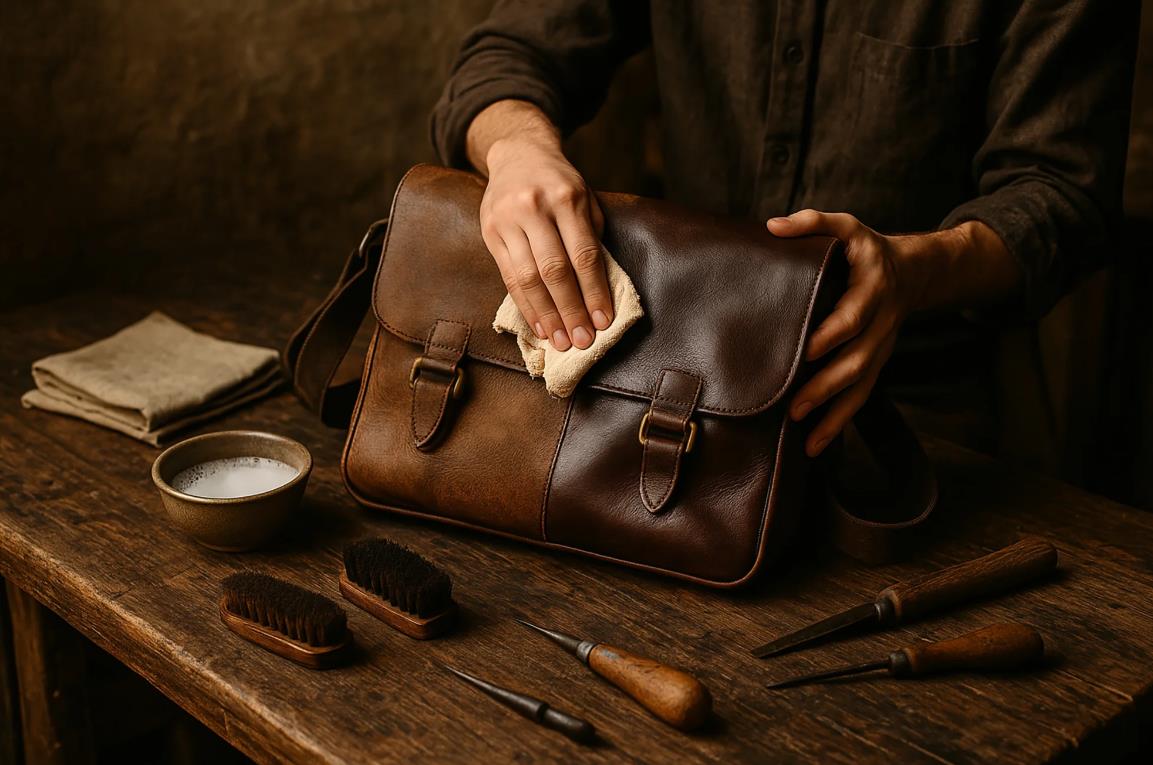
Wipe your leather with a soft, dry cloth every so often to remove dust and dirt. Condition occasionally to keep the surface smooth and hydrated.
Final Thoughts
Fixing a peeling leather item might seem tricky, but with the right approach, it’s very doable. Whether you’re tackling small cracks yourself or sending it to a professional, a bit of care and consistency will keep your leather looking brilliant for years. Treat it well, and it’ll serve you faithfully — that’s the beauty of real leather.
Frequently Asked Questions (FAQs)
Can peeling leather be repaired?
Yes, it can. Minor peeling can be fixed with glue or filler, while heavy damage might need a professional touch.
Why does leather peel?
Peeling usually happens due to sunlight, moisture, chemicals, or a lack of regular care.
Do real leather items peel?
Real leather doesn’t peel easily if cared for properly — it may dry out, but regular conditioning prevents that.
Is Vaseline good for leather?
It can temporarily soften leather, but it’s not ideal long term. Use a proper leather conditioner for best results.
Is coconut oil safe for leather?
It can work as a light conditioner but test first — some leathers may darken. Stick to products made for leather if unsure.
How long does leather last?
A well-made, well-cared-for leather piece can last decades. Treat it right, and it’ll only get better with age.