
Leather Education
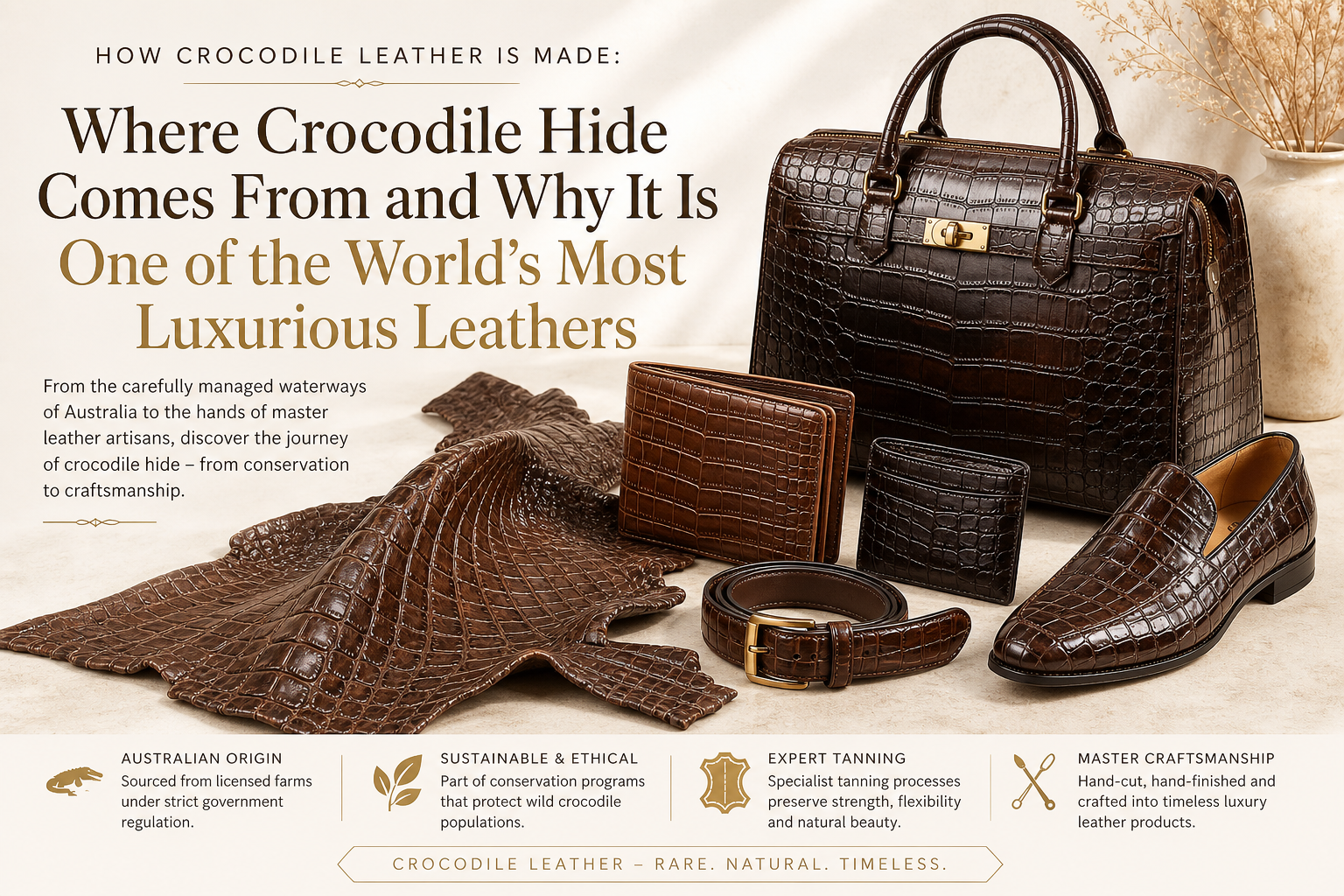
How Crocodile Leather Is Made: Where Crocodile Hide Comes From and Why It Is One of the World’s Most Luxurious Leathers
From hand-finished handbags and executive briefcases to collector watch straps and finely crafted wallets, crocodile leather has long occupied a distinguished place in the world of luxury leather craftsmanship. Its unmistakable scale pattern, rarity and durability give it a character that conventional cowhide, buffalo leather and other commonly used hides cannot fully replicate.
For centuries, leather has represented durability, craftsmanship and timeless style. Full-grain cowhide is admired for the way it develops a rich patina, buffalo leather is valued for its strength and rugged texture, and soft leathers are often chosen for garments and refined accessories. Crocodile leather, however, sits in a category of its own.
In Australia, crocodile leather carries significance beyond luxury fashion. It forms part of a closely regulated industry involving wildlife management, licensed farming, conservation programs, specialist tanning and highly skilled leather craftsmanship.
Many Australians are surprised to learn that the modern crocodile industry is closely connected with conservation. Wild crocodile populations were once severely reduced by uncontrolled hunting. Today, licensed farming, government regulation and international wildlife-trade controls support a system designed to protect crocodile populations while allowing carefully managed commercial use.
Understanding where crocodile hide comes from and how it becomes luxury leather allows buyers to appreciate more than the finished product. It reveals the long journey behind every hand-cut panel, polished scale and carefully stitched edge.
What Is Crocodile Leather?
Crocodile leather is produced from crocodile skin and is considered one of the world’s most prestigious exotic leathers. It is immediately recognisable by its natural arrangement of scales, which varies across every hide.
Just as genuine full-grain leather retains the natural features of an animal hide, crocodile leather carries its own individual pattern. The size, shape and spacing of the scales change across different parts of the skin, meaning no two genuine crocodile leather products are exactly alike.
This individuality is one of the reasons crocodile leather is so highly valued by luxury leather artisans. A genuine crocodile wallet, handbag or watch strap is not simply covered with a repeated printed pattern. Its surface reflects the natural formation of the original hide.
Properly tanned crocodile leather can be strong, flexible and relatively lightweight. When it is carefully conditioned, protected and stored, a well-crafted crocodile leather product may remain attractive for many years.
Crocodiles Used for Leather in Australia
Australia is home to two native crocodile species: the saltwater crocodile and the freshwater crocodile.
Saltwater Crocodile
The saltwater crocodile, scientifically known as Crocodylus porosus, is the species most closely associated with premium Australian crocodile leather. It is found across northern Australia, particularly in the Northern Territory, northern Queensland and northern parts of Western Australia.
Among leather manufacturers, the belly section of the saltwater crocodile is especially prized. It can display relatively broad, balanced scales that work well on luxury handbags, wallets, belts, footwear and watch straps.
Freshwater Crocodile
Australia is also home to the freshwater crocodile, Crocodylus johnstoni. Its skin has a different scale structure and is less commonly associated with the highest tier of luxury leather production. Where used, it may appear in smaller accessories or speciality leather goods.
Australian saltwater crocodile leather is particularly admired in the luxury leather industry because of its scale structure, rarity and suitability for finely crafted products.
Where Does Crocodile Hide Come From?
One of the most common misconceptions about crocodile leather is that modern products are made from crocodiles indiscriminately hunted in the wild. Australia’s regulated crocodile industry operates very differently.
Much of the crocodile hide used commercially comes from licensed crocodile farms operating under state or territory wildlife-management requirements. These businesses are subject to rules covering farming, egg collection, animal management, transportation, processing and trade.
Some Australian crocodile farms participate in regulated wild-egg collection programs. Under these arrangements, authorised numbers of eggs may be collected from approved nesting areas under permit. The eggs are then incubated in controlled environments and the hatchlings are raised on licensed farms.
These programs are designed to operate within broader crocodile-management frameworks. By creating economic value around well-managed crocodile populations and habitats, landholders and industry participants have a practical incentive to protect nesting areas and maintain viable wild populations.
Australia’s saltwater crocodile population recovered considerably after widespread commercial hunting was prohibited during the twentieth century. The modern industry is therefore inseparable from the regulation and conservation measures developed after that period.
Why the Origin of a Leather Hide Matters
Responsible leather purchasing begins with understanding where the material originated. With exotic leather, legality and traceability are particularly important.
Buyers should look for products supplied through reputable businesses that can explain the material, species and legal sourcing process. A luxury label alone should never replace proper documentation and traceability.
Conservation, Regulation and Sustainability
Australia’s crocodile industry operates within a combination of state, territory, national and international controls. Licensing requirements may govern egg collection, crocodile farming, transport, processing and export.
International trade is also regulated through the Convention on International Trade in Endangered Species of Wild Fauna and Flora, commonly known as CITES. CITES establishes controls for international trade in listed wildlife species and products derived from them.
Legally exported crocodile skins and qualifying crocodile leather products must comply with relevant documentation and permit requirements. This is intended to help authorities and buyers verify that the material entered trade through lawful channels.
This does not remove every ethical question surrounding exotic leather. Consumers may hold different views about animal-derived materials. However, it does distinguish regulated, traceable trade from unlawful or unverified wildlife products.
For buyers who choose crocodile leather, the most responsible approach is to prioritise legal sourcing, transparent documentation, responsible wildlife management and products built to last rather than disposable fashion.
How Crocodile Hide Becomes Luxury Leather
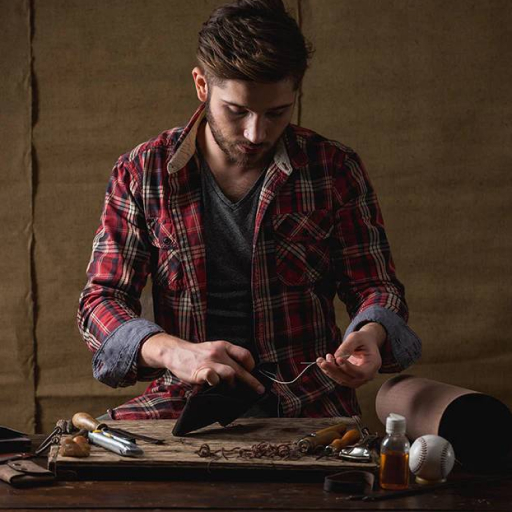
Transforming crocodile skin into finished leather is a specialised process. The value of the material depends not only on the rarity of the animal but also on the skill required to preserve the scales, soften the skin, develop the colour and prepare the surface for luxury leatherwork.
1. Preservation and Inspection
After the skin is removed, it must be cleaned and preserved promptly to prevent deterioration. Damage, scarring or poor preservation can reduce the amount of hide suitable for premium leather goods.
2. Specialist Tanning
Tanning stabilises the skin and converts it into durable leather. Crocodile skins require specialist knowledge because the tannery must preserve both flexibility and the natural definition of the scales.
During processing, moisture, oils and proteins must be carefully controlled. Leather that becomes too dry may lose suppleness, while poorly processed skin may not provide the strength or finish expected from a premium material.
3. Dyeing and Colour Development
Crocodile leather may be dyed in classic shades such as black, chocolate, cognac and tan, or in more distinctive fashion colours. High-quality dyeing should provide depth and consistency while allowing the natural scale pattern to remain visible.
4. Polishing, Glazing and Finishing
Depending on the intended appearance, the leather may receive a glossy, semi-gloss or more natural finish. Glazing and polishing can create the reflective surface commonly associated with formal crocodile handbags, footwear and small leather goods.
More understated finishes may retain a softer, less reflective appearance, allowing the texture of the hide to become the primary feature.
5. Grading the Hide
Each hide is inspected for size, scale balance, scarring and usable surface area. The most visually consistent belly sections are generally reserved for prominent panels on luxury handbags, briefcases and wallets.
Other sections may be used for watch straps, card holders, trims and smaller leather accessories. Skilled pattern cutting allows an artisan to position the scales so that the finished product appears balanced and deliberate.
Why Is Crocodile Leather So Expensive?
Crocodile leather commands premium prices because every stage of production is demanding. The material is limited, tightly regulated and difficult to process to a luxury standard.
- Crocodiles require specialised farming and management.
- Only a limited amount of each hide may suit prominent luxury panels.
- The skin requires specialist tanning and finishing.
- Natural marks can reduce the usable premium-grade area.
- Every panel must be cut with attention to scale placement.
- International trade may require permits and traceability documentation.
- Luxury products often involve extensive hand-finishing and precision stitching.
With ordinary cowhide, a craftsperson may have a comparatively broad and consistent surface from which to cut panels. Crocodile leather requires a more considered approach. Scale direction, symmetry and visual balance can influence every cut.
This means the cost is not simply attached to the animal skin. It reflects regulation, scarcity, tanning expertise, material selection and the work of experienced leather artisans.
Luxury Products Made from Crocodile Leather
Crocodile leather is generally reserved for products where the natural scale pattern can become a central design feature.
Luxury Handbags
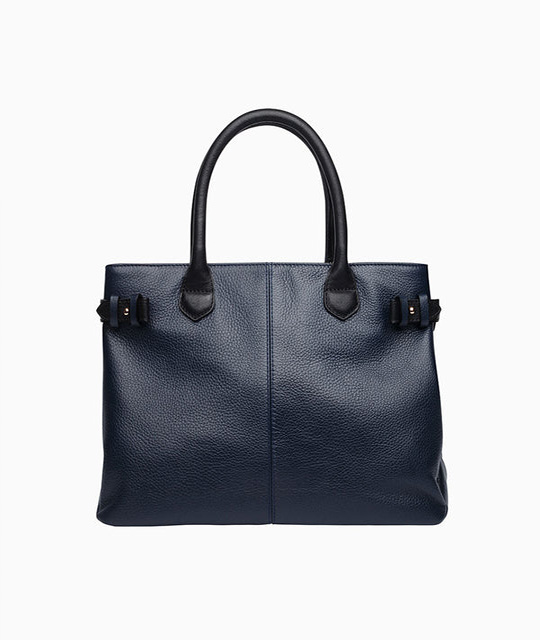
Handbags are among the most recognised crocodile leather products. Large, carefully matched belly panels may be used on the front and back, allowing the scales to form a visually balanced centrepiece.
Premium Wallets and Card Holders
Wallets and card holders use smaller areas of hide but still demand precise cutting. A well-made crocodile leather wallet can combine a distinctive outer surface with a smoother leather lining and neatly finished edges.
Executive Briefcases
Crocodile leather briefcases occupy the highest end of business accessories. Their appeal comes from the combination of a structured silhouette, premium hardware and carefully selected scale patterns.
Watch Straps
Watch straps are an established use for crocodile leather because relatively small hide sections can create a refined accessory. The material is often paired with luxury mechanical watches and formal dress watches.
Belts, Shoes and Boots
Crocodile leather may also appear in handcrafted belts, formal shoes and speciality boots. These products require careful reinforcement and construction because the visual leather often forms part of a more complex layered structure.
Travel and Personal Accessories
Passport holders, luggage tags, phone cases, key holders and small travel accessories allow buyers to experience the character of crocodile leather in a more compact format.
Crocodile Leather Compared with Cowhide and Buffalo Leather
| Leather Type | Appearance | Typical Character | Common Uses |
|---|---|---|---|
| Crocodile leather | Distinctive natural scales | Rare, refined and luxurious | Luxury handbags, wallets, belts and watch straps |
| Cowhide | Natural grain or finished surface | Versatile, durable and widely available | Bags, wallets, belts, footwear and furniture |
| Buffalo leather | Pronounced grain and rugged texture | Strong, substantial and characterful | Boots, bags, belts and hard-wearing accessories |
Crocodile leather is not automatically the best material for every product. Full-grain cowhide may be more practical for an everyday work bag, while buffalo leather may suit rugged boots or travel gear. Crocodile leather is most compelling when rarity, natural pattern and luxury craftsmanship are central to the design.
How to Identify Genuine Crocodile Leather
Modern embossing can reproduce a crocodile-style pattern on cowhide, split leather and synthetic materials. This can create an attractive product, but it should not be described as genuine crocodile leather.
Characteristics commonly associated with genuine crocodile leather include:
- Natural variation in scale size and shape
- Small differences rather than a perfectly repeated pattern
- Visible depth between individual scales
- A supple leather feel rather than a rigid plastic surface
- Variation across different sections of the product
- Appropriate sourcing and traceability information
Appearance alone should not be treated as definitive proof. Buyers considering an expensive crocodile leather product should ask the retailer about the species, origin, documentation and construction of the item.
Caring for Crocodile Leather
Crocodile leather is durable, but luxury leather still requires thoughtful maintenance. Poor storage, harsh cleaning and excessive moisture can damage the finish or reduce flexibility.
- Dust the leather gently with a clean, soft cloth.
- Avoid prolonged exposure to direct sunlight and heat.
- Protect the product from heavy rain and excessive moisture.
- Do not use strong household cleaners or alcohol-based products.
- Use only conditioners confirmed as suitable for exotic leather.
- Test any care product on an inconspicuous area first.
- Store the item in a breathable dust bag rather than sealed plastic.
- Do not place heavy objects on structured handbags or briefcases.
If crocodile leather becomes heavily stained or damaged, professional leather care is generally safer than experimenting with home remedies.
Ethical Considerations for Australian Buyers
Crocodile leather remains a sensitive subject, particularly for consumers concerned about animal welfare and wildlife trade. Buyers must make decisions that reflect their own values.
For those who choose to purchase crocodile leather, responsible buying should begin with legality and traceability. Reputable retailers should be able to explain where their products came from and whether relevant trade requirements have been met.
A product designed to last for decades also represents a different purchasing philosophy from disposable fashion. Longevity does not answer every ethical concern, but it is an important part of understanding the environmental and material value of a premium leather product.
Frequently Asked Questions About Crocodile Leather
Is crocodile leather legal in Australia?
Crocodile leather may be legally sold and traded when it has been sourced and supplied in accordance with relevant Australian and international requirements. Buyers should purchase from reputable businesses able to explain the product’s origin.
Is crocodile leather the same as crocodile-embossed leather?
No. Genuine crocodile leather is made from crocodile skin. Crocodile-embossed leather is usually cowhide or another material pressed with a scale-like pattern. Both may be used for attractive products, but they should be labelled accurately.
Why is the belly skin so highly valued?
The belly can display broader, more balanced scales that are particularly suitable for the visible panels of handbags, wallets and other luxury leather goods.
Does crocodile leather last a long time?
Professionally tanned and well-maintained crocodile leather can remain attractive for many years. Product construction, frequency of use, storage and leather care all influence its lifespan.
Can crocodile leather get wet?
Accidental light moisture may not destroy a well-finished product, but heavy rain and prolonged water exposure should be avoided. The leather should be gently blotted and allowed to dry naturally away from direct heat.
Is every crocodile leather product unique?
Genuine crocodile hides naturally vary in scale shape, size and spacing. This gives every authentic product some degree of individual character.
Final Thoughts
Crocodile leather remains one of the most distinctive materials in luxury leather craftsmanship. Its value comes from far more than an exotic appearance. It reflects natural rarity, specialist tanning, careful grading, precision cutting and the skill required to turn an individual hide into a refined leather product.
In Australia, its story is also connected with crocodile conservation, regulated farming and international wildlife-trade controls. Understanding that wider context helps buyers distinguish responsibly sourced luxury leather from unverified products.
Whether transformed into a hand-finished handbag, an executive briefcase, an heirloom wallet, a formal belt or a collector watch strap, genuine crocodile leather represents a meeting point between nature and craftsmanship.
At LeatherKart, we believe informed customers make better leather choices. Learning how a material is sourced, processed, crafted and maintained allows buyers to look beyond labels and recognise the workmanship that gives a well-made leather product its lasting value.


