Leather Texture Explained: Natural Grain, Pebbled, Smooth, Crazy Horse, Embossed, Buffalo Grain, Oil Pull-Up and Distressed
Learn how different leather textures influence appearance, feel, practicality and the way a leather product develops character through everyday use.
When buying a leather bag, wallet, pair of boots, belt, furniture piece or accessory, texture is one of the easiest characteristics to see and feel — yet it is often misunderstood.
Leather texture describes the visible and tactile surface character of leather. It can be smooth and refined, deeply grained, pebbled, heavily textured, embossed to imitate exotic hides, or deliberately distressed to create a vintage appearance.
Texture can influence how premium a product feels, how easily scratches show, how formal or rugged it looks and how the leather changes with use. It is therefore useful to understand texture separately from other specifications such as leather classification, hide type, tanning method and finish.
What Is Leather Texture?
Leather texture refers to the visible pattern and physical feel of the leather surface.
Some textures come naturally from the structure of the animal hide. Others are created or enhanced during processing through methods such as milling, embossing, pressing, buffing, waxing or oil treatment.
Texture should not be confused with leather finish. A texture describes what the surface physically looks and feels like, while a finish describes how that surface has been treated.
For example, a leather product can have a Natural Grain texture with a Waxed finish, or a Crocodile Embossed texture with a Pigmented finish.

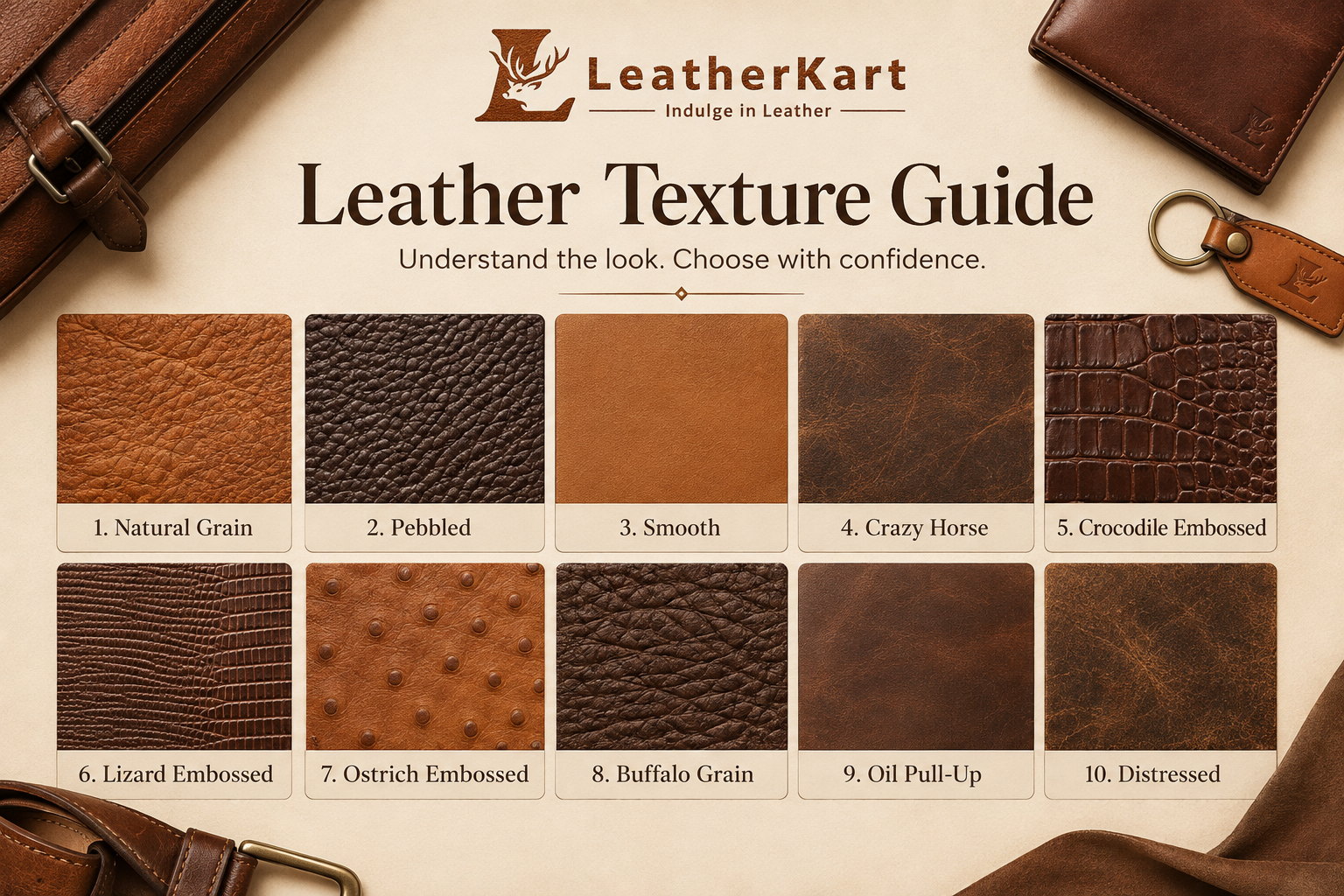
1 Natural Grain
Natural grain leather retains the visible surface characteristics of the original animal hide.
Instead of creating a completely uniform surface, the leather may show natural pores, small variations, subtle wrinkles and differences in grain structure. These characteristics can vary from one section of hide to another.
Natural grain is often attractive to customers who want leather to look genuinely organic rather than manufactured.
It is particularly common in higher-quality leather goods where natural variation is considered part of the product's character.
As the leather ages, natural grain can become even more visually distinctive, especially when paired with aniline, semi-aniline, waxed or pull-up finishes.
Best suited to:
Premium bags, briefcases, wallets, furniture and leather goods where
natural character is desirable.
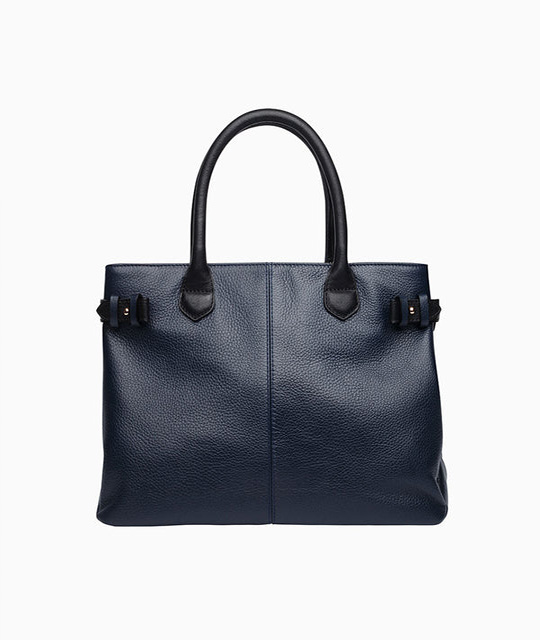
2 Pebbled
Pebbled leather has a surface made up of small raised bumps or rounded grain patterns.
The texture can occur naturally, but it is often enhanced through milling or mechanical processing.
One of the biggest practical benefits of pebbled leather is that it can disguise minor scratches, scuffs and handling marks better than very smooth leather.
It also creates visual depth and can make leather feel softer and more relaxed.
Pebbled leather is widely used in handbags, backpacks, totes, wallets and other products intended for frequent use.
It is important to remember that pebbled describes texture, not leather quality. Full-grain, top-grain and other leather classifications can all have a pebbled texture.
Best suited to:
Everyday bags, wallets, backpacks and frequently handled leather
accessories.
3 Smooth
Smooth leather has a relatively flat, even surface with minimal pronounced grain.
It tends to create a clean, structured and refined appearance.
Because there is less surface variation, smooth leather is commonly associated with formal products such as dress shoes, office bags, structured handbags and business accessories.
A smooth surface can also make colour appear more uniform.
The trade-off is that scratches and scuffs can sometimes be more visible than on pebbled or distressed leather.
The actual durability will depend on other factors such as leather classification, finish and protective coating.
Best suited to:
Formal footwear, structured bags, office accessories and minimalist
leather products.
4 Crazy Horse
Crazy Horse leather is known for its rugged, vintage appearance and strong colour variation.
Despite the name, it is not made from horse hide. It is typically cowhide or another bovine leather treated with oils and waxes.
The texture is usually natural-looking, slightly rugged and highly responsive to handling.
When the leather is bent, scratched or rubbed, lighter areas can appear because oils and waxes move within the leather.
This creates the distinctive aged appearance associated with Crazy Horse leather.
Small scratches can sometimes be softened by rubbing the surface, which redistributes the oils.
Because every product changes differently over time, Crazy Horse leather is particularly appealing to customers who want a bag, wallet or accessory that develops individual character.
Best suited to:
Messenger bags, laptop bags, travel bags, boots, belts and rugged
leather accessories.
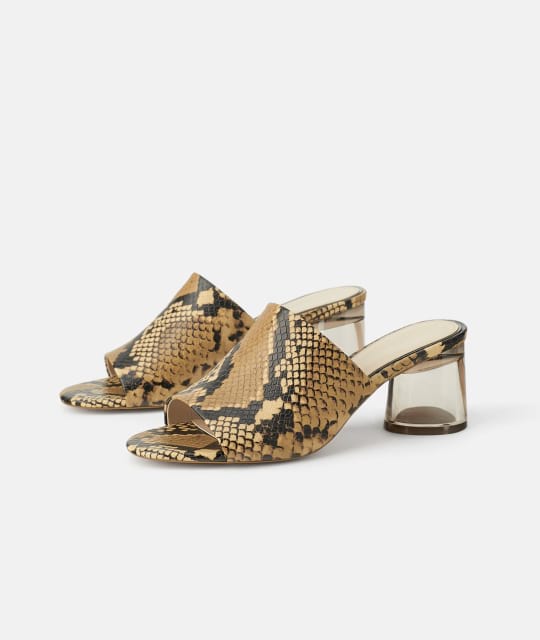
5 Crocodile Embossed
Crocodile embossed leather is genuine leather that has been mechanically pressed with a pattern designed to resemble crocodile hide.
The underlying leather may be cowhide, buffalo or another leather type. Heat and pressure are used to create the recognisable scale pattern.
This allows customers to achieve an exotic-inspired appearance without necessarily purchasing genuine crocodile leather.
Crocodile embossing can range from very subtle to highly dramatic, depending on the scale pattern, colour and finish.
It is particularly effective on handbags, wallets, belts and fashion accessories.
Because the pattern is embossed, it can also provide greater consistency across multiple products than genuine exotic hide, where natural scale patterns vary considerably.
Best suited to:
Statement handbags, wallets, belts, fashion accessories and
luxury-inspired leather goods.
6 Lizard Embossed
Lizard embossed leather uses a much finer and more detailed scale pattern than crocodile embossing.
The surface is pressed to recreate the small, closely packed scales associated with lizard skin.
This gives the leather a refined and decorative appearance.
Lizard embossing works particularly well on smaller products because the fine texture remains visible even across compact surfaces.
It is often used for wallets, jewellery boxes, handbags, belts and fashion accessories.
Depending on the finish, lizard embossed leather can appear matte and understated or glossy and highly decorative.
As with crocodile embossing, the texture does not mean the leather is genuine lizard hide unless the product specifically states that it is.
Best suited to:
Wallets, compact bags, belts, jewellery accessories and decorative
leather goods.
7 Ostrich Embossed
Ostrich embossed leather is designed to imitate the distinctive follicle pattern found on genuine ostrich leather.
The surface typically features small raised bumps distributed across the leather.
These bumps recreate the appearance of the follicles where feathers would naturally grow on genuine ostrich hide.
When applied to cowhide or other common leather types, ostrich embossing creates a highly distinctive texture without requiring exotic ostrich leather.
The pattern is visually unusual and can make even a simple product appear more decorative.
It is commonly used in handbags, wallets, footwear and fashion accessories.
Best suited to:
Fashion bags, wallets, footwear and statement leather accessories.
8 Buffalo Grain
Buffalo grain has a naturally pronounced and rugged texture.
Buffalo hide generally has a more visible grain structure than many types of cowhide, with larger pores, deeper patterns and greater natural variation.
This can give buffalo leather a strong, robust appearance.
Because the grain is naturally substantial, buffalo leather is often suited to products where toughness and character are desirable.
The exact appearance depends on how heavily the leather has been processed.
Some buffalo leather retains a very natural grain, while other versions may be corrected, pigmented or further textured.
Buffalo grain is particularly common in boots, bags, belts and rugged accessories.
Best suited to:
Boots, duffle bags, laptop bags, belts and heavy-use leather products.
9 Oil Pull-Up
Oil pull-up leather has a surface character created by oils and waxes infused into the leather.
When the leather is bent, stretched or pressed, the oils move away from the pressure point and the affected area becomes temporarily lighter.
This produces a dynamic colour effect.
The surface often appears rich, deep and slightly rugged rather than perfectly uniform.
Oil pull-up leather can develop creases, tonal variation and marks relatively quickly, but these characteristics are generally part of the intended appearance.
Over time, the leather can develop a strong patina.
Oil pull-up is often used in products that are expected to look better with age rather than remain visually unchanged.
Best suited to:
Boots, satchels, messenger bags, laptop bags and vintage-style leather
accessories.
10 Distressed
Distressed leather is deliberately processed to look aged, worn or vintage from the beginning.
The texture may include creases, rubbed sections, irregular colour, grain variation and intentionally weathered areas.
Rather than hiding these characteristics, distressed leather uses them as part of the design.
One of the practical advantages is that future scratches and scuffs often blend naturally into the existing appearance.
This makes distressed leather particularly suitable for products that will be used frequently.
However, distressed leather should not be confused with damaged leather. Proper distressing is an intentional manufacturing technique designed to create a particular aesthetic.
Best suited to:
Vintage bags, boots, furniture, satchels and rugged lifestyle products.
Leather Texture vs Leather Finish: What Is the Difference?
Texture and finish are closely related, but they describe two different characteristics of a leather product.
Leather Texture describes the physical and visual surface character, such as:
- Natural Grain
- Pebbled
- Smooth
- Crocodile Embossed
- Buffalo Grain
Leather Finish describes how the surface has been treated, such as:
- Pigmented
- Aniline
- Semi-Aniline
- Waxed
- Matte
- Gloss
A single leather product can therefore have both a texture and a finish.
For example:
Full Grain Buffalo Leather + Natural Grain Texture + Waxed Finish
or:
Cowhide + Crocodile Embossed Texture + Pigmented Finish
Looking at these specifications together gives a much clearer understanding of what you are actually purchasing.
Which Leather Texture Should You Choose?
There is no single best leather texture. The right choice depends on how you intend to use the product and the appearance you prefer.
- For the most natural appearance, choose Natural Grain.
- For everyday practicality and a surface that can disguise minor marks, consider Pebbled.
- For a clean, formal and refined look, choose Smooth leather.
- For leather that develops dramatic character and colour variation, consider Crazy Horse or Oil Pull-Up.
- For a distinctive luxury-inspired appearance, consider Crocodile Embossed, Lizard Embossed or Ostrich Embossed.
- For naturally rugged grain and a robust visual character, Buffalo Grain is particularly attractive.
- For a deliberately aged and vintage appearance, choose Distressed leather.
Final Thoughts
Leather texture has a major influence on the personality of a leather product.
A smooth leather briefcase can appear professional and understated, while the same style made in Crazy Horse leather may look rugged and vintage. Pebbled leather can provide practicality for everyday use, while crocodile or lizard embossing can transform a simple accessory into a statement piece.
Texture should therefore be considered alongside leather classification, hide type, tanning method, finish and thickness.
When those specifications are understood together, customers can make a much more informed decision about how a leather product will look, feel, perform and age over time.
*Images used within this article may be AI generated for educational and illustrative purposes.


