By Deepanshu Chopra, Founder of LeatherKart
Leather bags can be expensive because their price includes the leather, skilled labour, components, factory operations, design work and transport. But a higher price does not automatically make a bag more useful for you. The right purchase depends on what you carry, where you use it and how well its construction suits that purpose.
At LeatherKart, customers often ask me the opposite question: “Why is your leather so affordable?” Some worry that a lower price must mean there is something wrong with the material or workmanship.
I understand that hesitation. My answer is that affordability is a business decision. We buy directly from our manufacturing partners, plan freight carefully and accept smaller margins. We still need to make a profit, but I want more Australians to be able to buy genuine leather without feeling that it is out of reach.
Here is what goes into the price, where we look for savings and what I believe is worth paying for.
What Goes Into the Cost of a Leather Bag?
When I discuss costs with our manufacturing partners, leather is only the beginning. There is also the artisan’s time, thread, lining fabric, zippers, brass hardware, machinery and the resources needed to operate the factory.
Then the finished goods need to reach Australia and, eventually, the customer. Overseas freight and local delivery are part of the commercial calculation, even where standard delivery is included in the advertised offer.
It is easy to look at a finished bag and see one item. Behind it are several materials, production steps and people. A price comparison becomes more useful when you understand which of those differences matter to the bag you actually need.
| Cost area | What it includes |
|---|---|
| Leather and finish | The material selection and preparation appropriate to the design. |
| Artisan work | Time spent cutting, sewing, assembling and finishing the bag. |
| Components | Thread, lining, zippers and hardware. |
| Design requirements | Extra pockets, compartments, shape and machinery requirements. |
| Transport | Getting stock to Australia and fulfilling customer orders. |
Leather Quality Is One Place I Will Not Cut Costs
LeatherKart is a leather-focused business. For me, replacing the leather with faux material or reducing the quality of our selection would undermine the reason customers come to us.
That does not mean every bag should have identical softness, firmness or texture. A structured work bag and a softer office design may need different handling characteristics. The material needs to be appropriate for the finished product.
Our manufacturing partners have their own selection criteria, which we discuss alongside the individual product’s leather description. I would encourage a customer to ask about the specific hide, classification and finish rather than rely on a broad grade label.
My priority is maintaining the material standard we have chosen, while finding savings elsewhere in the business.
Skilled Workmanship Takes Time
A more complicated design can involve more pockets, more sewing, additional hardware and more time spent assembling and finishing the bag. The number of artisan hours is part of its cost.
Shape matters too. A design may involve particular machinery or additional preparation to achieve the intended structure. The leather may also need a different treatment to create the softness or firmness required for that model.
These are practical production decisions. Adding a pocket is not simply adding an attractive feature to a product description: it also means materials and work.
I do not want affordability to depend on reducing what our manufacturing partners can allocate to skilled workmanship. My expectation is that artisans are paid properly and on time through those partners. Maintaining those relationships matters to the products we receive.
The Zipper Upgrade That Reduced Our Margin
One example explains our approach better than a general promise about quality.
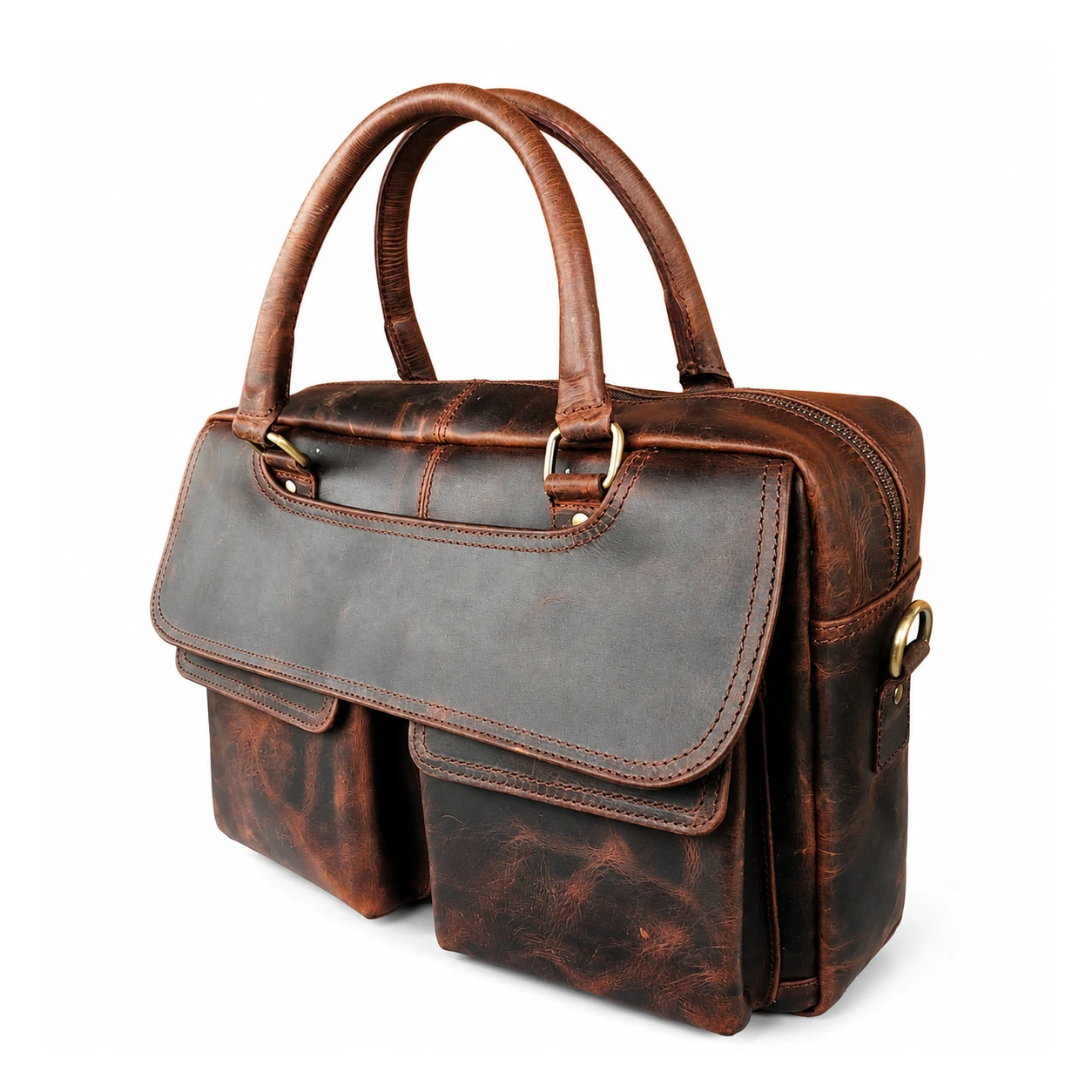
A previous version of our vintage leather bag had a plastic zipper. Customers gave us feedback that it did not suit the bag’s appearance. The zipper looked out of place against the overall design.
We responded by moving to a metal zipper. It cost us more, but I felt the improvement was worth making. We accepted a smaller margin rather than treating the cheaper component as something customers would simply have to accept.
The exact cost difference is private. The decision is what matters: we listened, changed the component and absorbed the extra cost. Customers have been happy with the change, and in my experience it has performed well.
This is a specific example, rather than a claim that every metal zipper is better than every plastic one. Components should suit the product and work reliably together.
Freight Planning Can Save Money Without Changing the Bag
Shipping is another significant cost for LeatherKart. We look at how goods move from our manufacturing partners to Australia, rather than assuming the quickest available freight option is always the right commercial choice.
Sometimes a lower-cost shipping arrangement takes longer. That means we need to forecast demand and order earlier, allowing for replenishment before stock runs out.
The trade-off is planning time. It is not a reason to reduce the leather standard, downgrade hardware or rush the sewing. Those changes would affect the bag itself.
I want customers to understand the distinction between an overseas stock-replenishment journey and delivery of an item already available for purchase. Better planning helps us manage costs before that customer order arrives. Customers should still check the delivery information for their selected product.
How LeatherKart Keeps Genuine Leather Affordable
We buy directly from our manufacturing partners. That gives us a direct relationship when discussing materials, product changes and production requirements.
We also accept a smaller profit margin than we could choose to charge. I am not presenting LeatherKart as a not-for-profit organisation. We need a commercially sustainable business so we can continue supplying products and supporting customers.
But I do not want to set a higher price merely because someone expects leather to be expensive. We absorb shipping costs within our pricing approach and look for operational savings that do not require us to change the material or workmanship standards.
That is the message behind “affordable leather” at LeatherKart: genuine leather products made more accessible through our sourcing, planning and margin decisions.
Does Paying More Always Get You a Better Bag?
Not necessarily. My first question is about intended use, rather than budget: where will the bag go, and what will it carry?
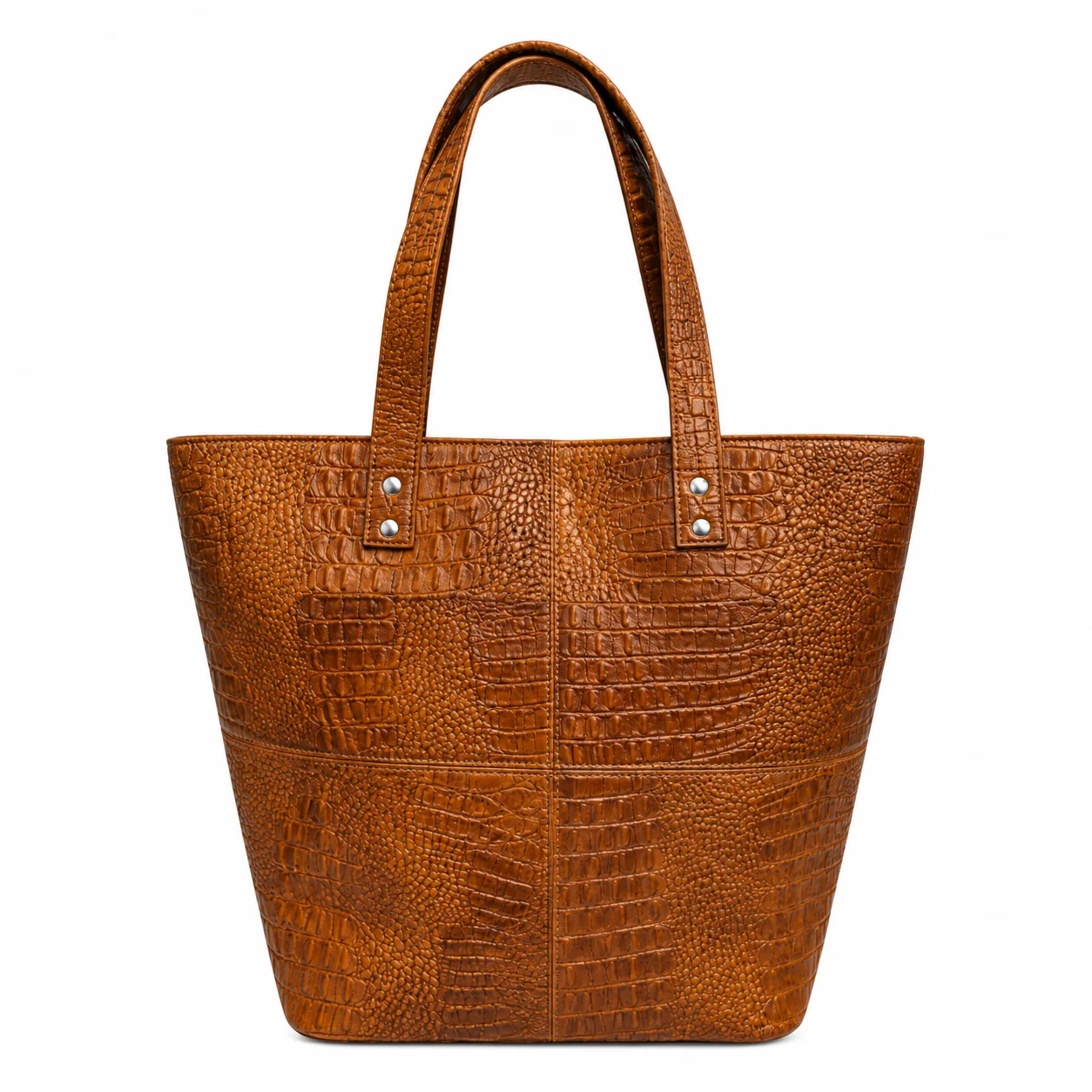
Someone may prefer a soft finish for an office setting. Another customer may want a firmer, more rugged-looking design for commuting and travel. Colour, structure, carrying comfort and organisation all influence what feels right.
A higher-priced bag may have features or an appearance that you value, but those features are not automatically useful to everyone. A delicate finish may need more careful handling than the customer’s routine allows.
I would rather help someone understand the construction and purpose of a bag than tell them that the most expensive option must be the most functional. Suitability is part of value.
What My Own Travel Experience Tells Me
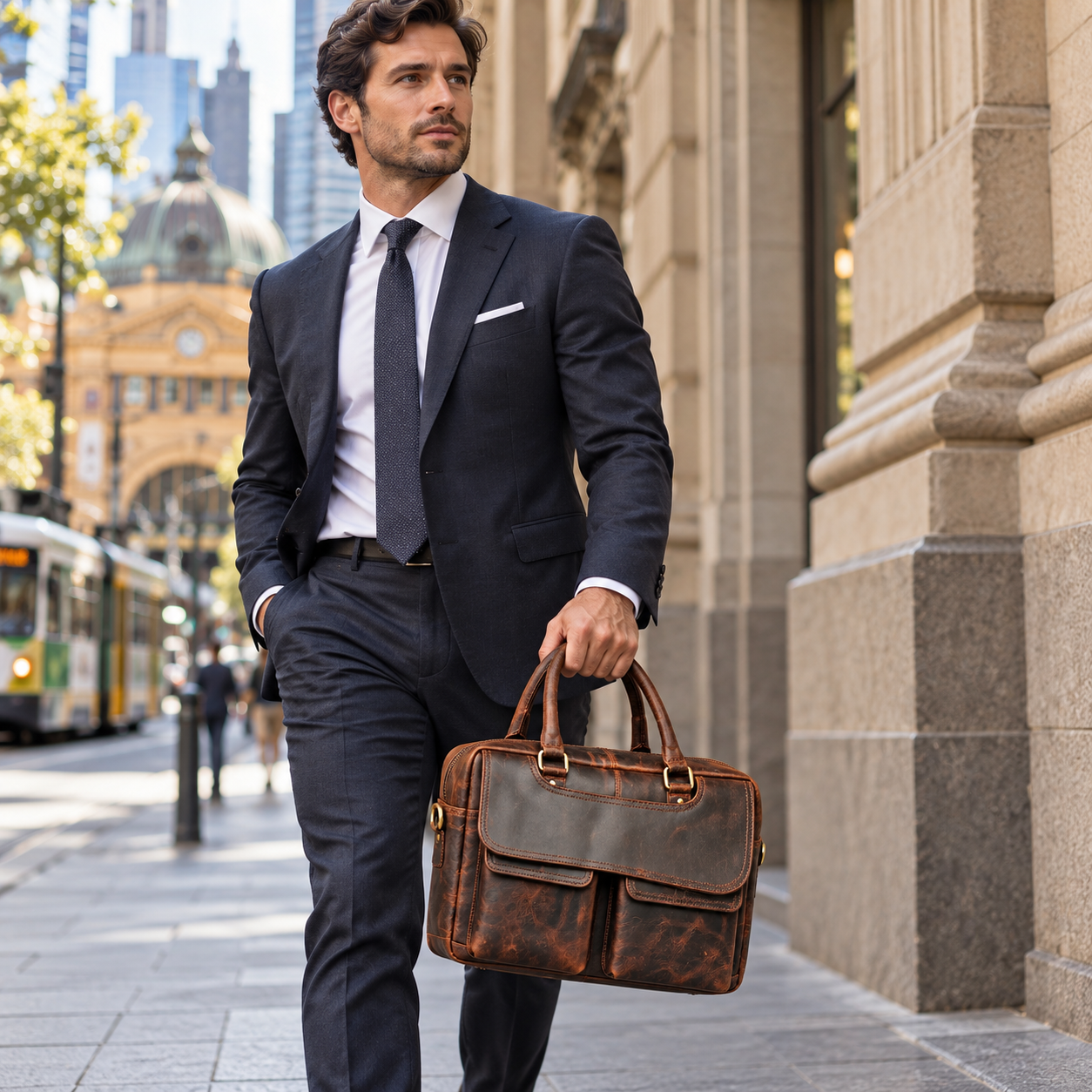
I have used the vintage brown bag extensively while travelling overseas: through airports, on flights, in taxis and on public transport. It has encountered the repeated contact with surrounding objects that comes with those journeys. I have also used it in rain.
My experience has been positive, and that is one reason I enjoy recommending the model when it suits the customer’s requirements.
However, personal use is different from a controlled performance test. I have not tested it on construction sites, and rain exposure does not establish that it is waterproof. I would not turn those experiences into promises about sharp objects, heavy rain or every demanding environment.
Ask about the use you actually have in mind. The answer should address your circumstances rather than rely on the word “rugged”.
When Customers Think the Price Is Too Low
Some customers contact LeatherKart because they like a product but are unsure whether the price reflects the quality they expect. They ask what happens if it arrives and they are disappointed.
In individual situations, I have gone beyond a conversation. Around Melbourne, I have personally delivered products so customers could inspect them before deciding whether to pay. I have also arranged deliveries outside Melbourne with an agreed option to collect the goods at no cost if the customer was unhappy.
In those arrangements, I have not had a customer ask me to take the products back because they were dissatisfied with the quality.
These are examples of personal arrangements I have made, not a standard nationwide try-before-you-pay service. They explain the effort I have put into building trust when a price creates doubt.
What Is Actually Worth Paying For?
I would start with three things: materials appropriate to the design, dependable construction and a layout you will use.
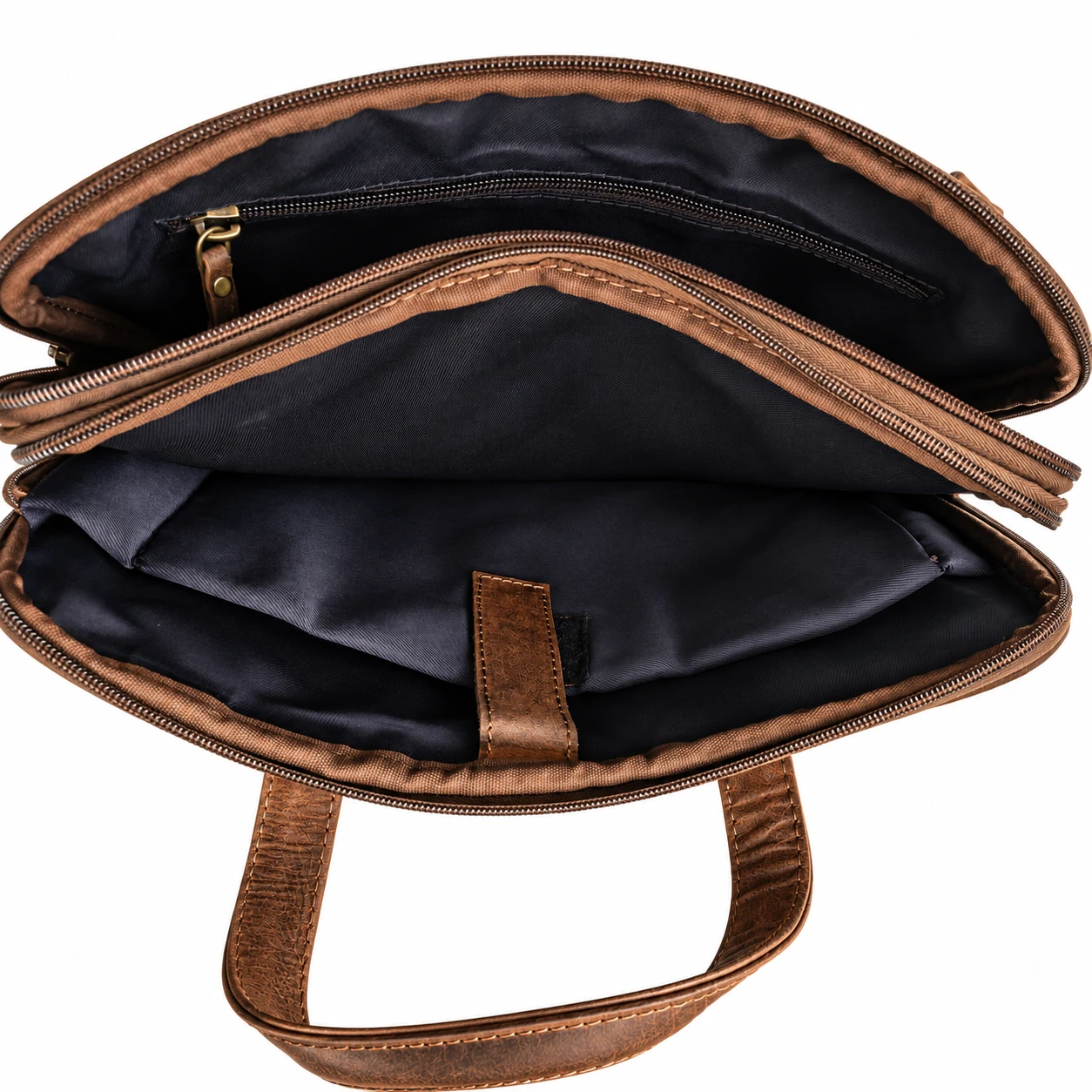
Look closely at handle and strap attachments, seams, lining and closures. If you carry a laptop, check its physical dimensions against the usable compartment and opening. Include the charger and other belongings you normally take with you.
Then consider how you prefer to carry the bag. Extra pockets, padding or a trolley strap can be useful when they serve your routine. They are not a reason to buy a design that is otherwise the wrong size or style.
For a more detailed checklist, see our guide to checking leather quality before buying online. The aim is to identify useful differences rather than assume that a longer feature list justifies any price.
Think About Long-Term Use, Without Assuming “Forever”
I personally value leather because I enjoy its appearance, character and potential for long-term use. A bag that remains part of my routine offers more value to me than one I quickly stop using.
But no honest buying guide should promise that every leather bag lasts forever, that every synthetic bag fails quickly or that an ordinary used bag will increase in resale value. Construction, care, condition and intended use all matter.
If you enjoy changing styles frequently and know you will rarely use a particular leather bag, it may not be the right purchase for you. If you want to use the same bag regularly, it makes sense to examine its practical suitability and ongoing support carefully.
Our separate article on leather bag lifespan explores my own experience of two bags used for approximately two years.
Understand the Warranty for the Product You Choose
LeatherKart’s warranties vary by product. Some items have 365 days of cover; others have three years covering leather and workmanship. Check the individual listing and applicable terms rather than assuming the same period applies to every item on the marketplace.
We usually offer a 30-day change-of-mind return window. In some circumstances, including agreed quality concerns, we also cover return shipping. Contact us to confirm the arrangements for your order.
Personal reassurance should be backed by clear information. Ask what is covered, what is excluded and how an issue will be assessed. A warranty is part of your buying decision, but its length alone does not establish that one bag is better suited to you than another.
Frequently Asked Questions
Why are leather bags expensive?
Their price can include leather, skilled labour, lining, thread, hardware, design complexity, factory operations and transport. At LeatherKart, we consider those costs alongside our sourcing arrangements, freight planning and chosen profit margin.
Why are LeatherKart’s leather bags affordable?
We buy directly from manufacturing partners, plan stock shipments and accept smaller margins. We also absorb shipping costs within our pricing approach. Our aim is to make genuine leather accessible without downgrading our selected materials or workmanship standards.
Does an expensive leather bag always mean better quality?
Price alone does not establish quality or suitability. Compare the specific materials, construction, features and support. A higher-priced bag may offer a finish or design you like, while a less expensive option may better suit your everyday use.
What did LeatherKart change on its vintage bag?
After feedback that a plastic zipper did not suit an earlier version’s appearance, we changed to a more expensive metal zipper. We absorbed the additional cost through a smaller margin. The exact cost difference remains private.
Do more pockets make a bag more expensive?
They can add material, sewing and assembly time. Additional compartments, hardware, shape requirements and leather treatments can also affect production costs. The useful question is whether the extra feature serves your routine.
Can I try a bag before paying?
The examples described here were individually agreed arrangements with particular customers, not a general checkout offer. Contact LeatherKart before ordering if you need additional reassurance, photographs or clarification about the applicable returns process.
Does LeatherKart give every product a three-year warranty?
No. Cover varies by product: some items have 365 days, while others have three years for leather and workmanship. Read the selected item’s warranty details and ask us if anything is unclear.
Is leather worth buying for occasional use?
That depends on your preferences and budget. I personally enjoy leather, but I would encourage you to consider how often you will use the particular bag. Choose for your actual routine rather than spending more simply because a material is described as premium.
Our Aim: Accessible Leather, With Clear Information
LeatherKart is here to make genuine leather articles more affordable for Australians. We want a sustainable business, and we want customers to understand what they are buying.
That means making deliberate decisions about margins, sourcing and freight, while continuing to pay attention to the product. It also means answering questions when affordability creates uncertainty.
Explore our leather laptop bags and everyday leather bags. Tell us what you carry and how you plan to use the bag, and we can help you compare the details that matter. Call 0470 127 893 or email support@leatherkart.com.au.